Nepal Local Elections
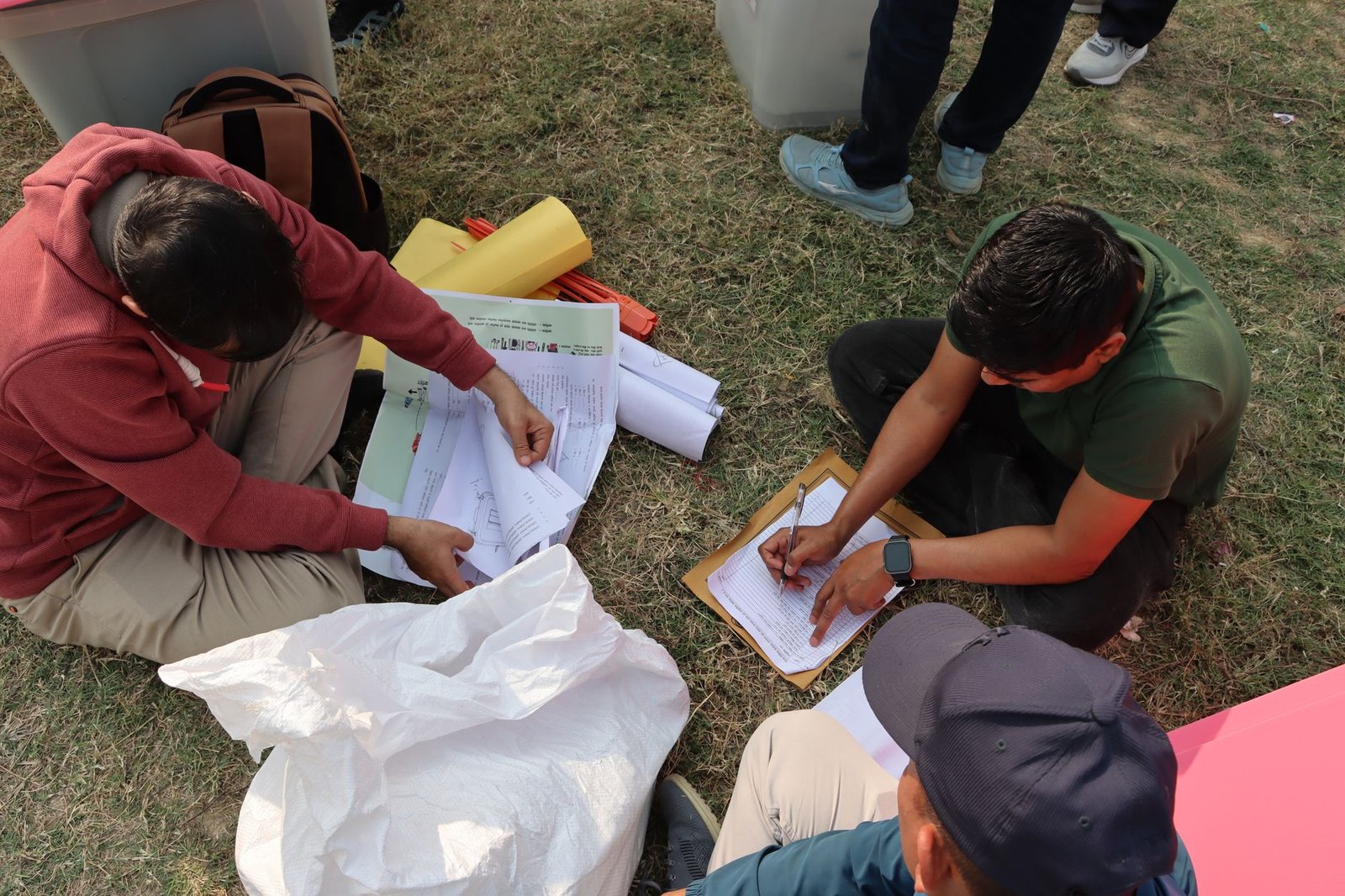
The Nepal Local Elections due by Baisakh 2084 have pushed local governments to speed up development works, Gorkhapatra reports. Because the constitution requires local level elections to be held by Baisakh 2084, local governments have made the planning and spending of their budgets a priority this year, and elected representatives are trying to finish the budget and annual programmes of the current fiscal year 2083/84 before the vote.
Local governments have been running physical infrastructure programmes and targeted group programmes from the start of the fiscal year, with the aim of spending the allocated budget before the elections. Most local levels have planned to complete all their plans and programmes and spend their budgets by the end of Magh, Gorkhapatra reports. The last local elections were held on Baisakh 30, 2079, so the five year term ends on Baisakh 30, 2084. Some representatives are also preparing to stand again for another term, and the law requires them to resign before their nominations are filed, which is another reason they are pushing to complete plans and spend budgets quickly.
Mina Kumari Lama, mayor of Hetauda Sub-Metropolitan City, told Gorkhapatra that it is natural for elected representatives to want to complete the work of their own term themselves, and that work has therefore moved ahead on time with the elections in view. Once the government announces the election date, the election code of conduct will come into force, and after that there will be little time to spend the budget allocated for the current fiscal year, so local levels have started spending their budgets in earnest now, she said.
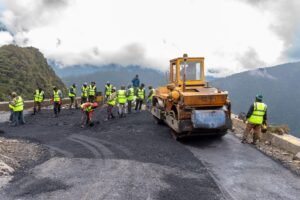
The code of conduct is the key engineering constraint on the timetable. Once it applies, no new programmes or plans can be announced, allocated budgets cannot be distributed, changed or transferred, and resources cannot be used to influence voters. Lama said that in past years too, development construction works were carried out in full swing at this time of year. This year also, roads, drinking water, sewerage and bridge construction plans must be completed on time rather than left unfinished, and representatives are under pressure to implement the plans and budgets of the current fiscal year without delay, she said.
The rush has a practical reason as well as a political one. When construction work is left to the end of the fiscal year, building materials run short, contractors delay the work, and technical evaluation, monitoring and payment become difficult, so construction works have been under way in local levels since Asoj. That sequence is familiar to engineers: a compressed end of year programme strains the supply of materials and the capacity of contractors, while an early start spreads the work across the dry season.
Prakash Bista, chairperson of Rapti Rural Municipality in Dang, told Gorkhapatra that he has moved his own work ahead quickly because the local elections are coming this year. As representatives of the people, elected officials must answer to the public in physical form for the work they started, he said, and physical infrastructure works have therefore begun from Bhadau this year. Dr Sherdhan Neupane, an expert on local government, told Gorkhapatra that representatives are implementing plans and spending budgets with the elections at the centre. Local levels that were slower in past years have shown more activity this year because of the elections, which he called positive, but he warned that when local budgets run in deficit, the liability of paying for programmes falls to the next year, which is not good work.
The Nepal Municipalities Association and the National Association of Rural Municipalities have also said that local levels have prepared work schedules to complete works quickly. That coordination matters because the same contractors, the same material suppliers and the same technical staff serve many neighbouring local levels at once, and a synchronised rush can strain them all.
What happens next is the announcement of the election date. Once the date is declared and the code of conduct begins, new works will stop and the focus will shift to completing what is already under way. For engineers and contractors, the message of the Nepal Local Elections is to expect a busy few months followed by a pause, and to plan material supply and payments around a timetable that is set by the election calendar rather than by the construction season alone.
Read more infrastructure news in the News section of Eve Construction, Nepal’s construction hub.