Kantital Nepalgunj
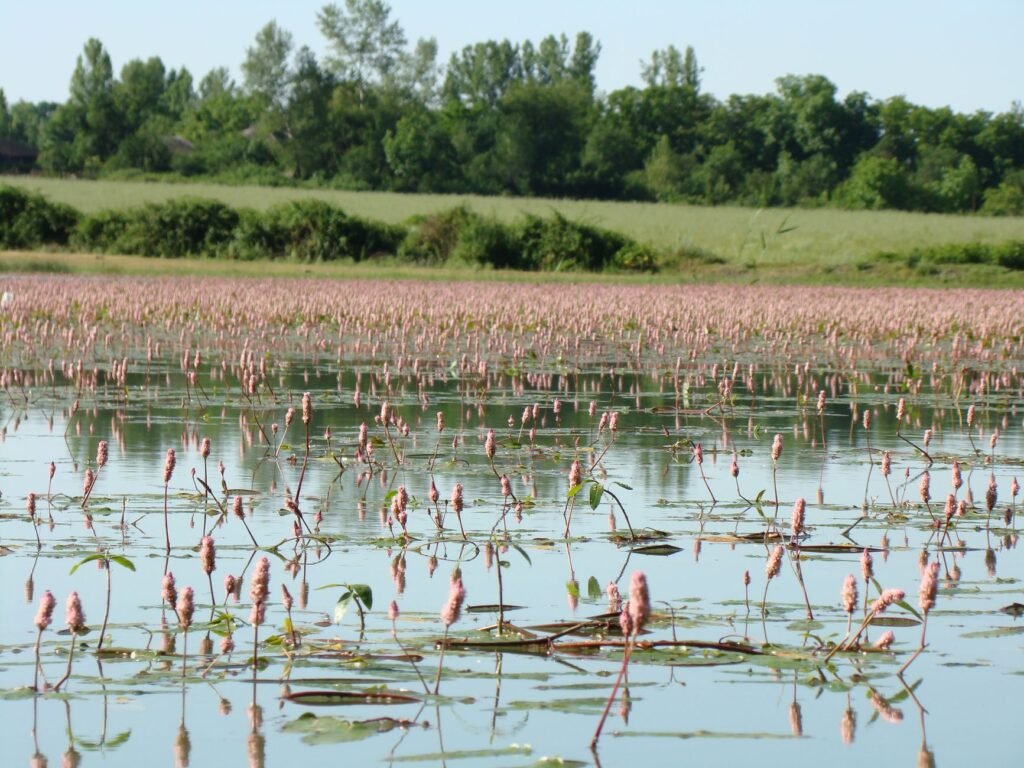
The Kantital Nepalgunj tourist lake, built at a cost of about Rs 10 crore, is falling into decay, Gorkhapatra reports. Nepalgunj Sub-Metropolitan City spent about Rs 10 crore to build Kantital as a tourist destination, but the lake is now becoming dilapidated and disorganised, and without proper conservation and care the investment of Rs 10 crore has become like water poured into sand.
Kantital spreads across wards 21 and 22 of Nepalgunj Sub-Metropolitan City. Without conservation, its attractive structures have broken down. Railings built to beautify the lake have broken, and the lake area has become overgrown with bushes.
Local residents say the structures built by the sub-metropolitan city at a cost of Rs 10 crore for local infrastructure development and for the beauty of the lake have not even received ordinary maintenance and regular care.
The engineering failure here is not in the construction but in the maintenance. A lake park is a living asset: railings rust, paths crack, plants overgrow and water quality falls, and without a maintenance budget and a responsible caretaker the decline is fast.
Chet Bahadur Thapa, a local resident of Nepalgunj 22, told Gorkhapatra that the condition of Kantital is worsening day by day because of the neglect of the sub-metropolitan city. Although the concerned bodies have been reminded again and again about the conservation of the lake, there has been no hearing, he said.
Kantital Nepalgunj is more than a tourist structure. According to Thapa, it is an important area for biodiversity as well as for tourism, and the lake is a natural habitat for various species of birds.
In the absence of conservation, both the natural form of the lake and its biodiversity are at risk. Environmentalists and bird conservation activists have also been raising their voices to protect the natural form of the lake and to return it to its old condition, but conservation work has not moved ahead because the concerned bodies have not shown interest.
The commercial arrangement has not saved the lake either. A contract was signed for the operation of the lake under which the contractor pays Rs 28 lakh a year in revenue, and Phan Bahadur Gurung, who took the contract, told Gorkhapatra that structures in the lake area have been vandalised.
According to him, railings and infrastructure appear to have been broken by drug users. A revenue contract gives the operator a reason to keep the site attractive, but only if the operator has the authority and the support to protect it, and the broken railings suggest that protection has failed.
The sub-metropolitan city’s spokesperson, Rijal, told Gorkhapatra that past plans have not delivered as expected, and that the concerned bodies and representatives will now hold serious discussions and prepare an effective new plan for the conservation and management of Kantital.
That is a promise of a plan rather than a plan itself, and residents will judge it by whether the railings are repaired and the bushes cleared.
The questions raised by the story go beyond one lake. When a new plan is made, the old structures must also be conserved, and the return on the money already spent must be questioned. A plan started years ago and left incomplete carries the risk that the investment will go to waste.
Krishna Prasad Shrestha, coordinator of the civic concern forum, told Gorkhapatra that Kantital, which was expected to become a centre of tourism and economic prosperity for Nepalgunj, must be conserved.
What happens next is the new plan the sub-metropolitan city has promised. For engineers, Kantital is a case study in the cost of building without maintaining: Rs 10 crore of structures, a revenue contract of Rs 28 lakh a year, and a lake that is still decaying because nobody owned the maintenance.
Read more infrastructure news in the News section of Eve Construction, Nepal’s construction hub.