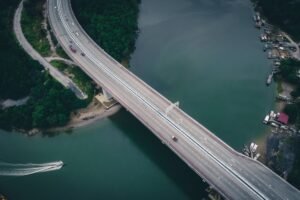
Batang Lupar Bridge No. 2 opened to traffic in Sarawak, Malaysia, on November 1, 2026, giving drivers a direct crossing of the Batang Lupar River between Sri Aman and Betong. According to Malay Mail reporting carried on November 1, the bridge opened at 3.30pm, together with Jalan Lidong, the road link that completes the connection to the Betong interchange on the Pan Borneo Highway. The opening turns a journey that previously took about one hour into a trip of about 25 minutes, and it cuts the travelling distance between Sri Aman and Betong from about 73 kilometres to about 28 kilometres.
The result matters because the old route forced people, goods and emergency travel around a wide river crossing. For communities along Jalan Lidong, including longhouse and village residents, the shorter route means faster access to markets, schools, clinics and jobs in the neighbouring division. According to Sarawak Public Works Department reporting, the new bridge is expected to improve road conditions and convenience for motorists, lower logistics costs for businesses, and support economic activity in the surrounding areas.
Batang Lupar Bridge No. 2: How the Crossing Was Built
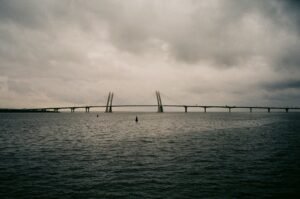
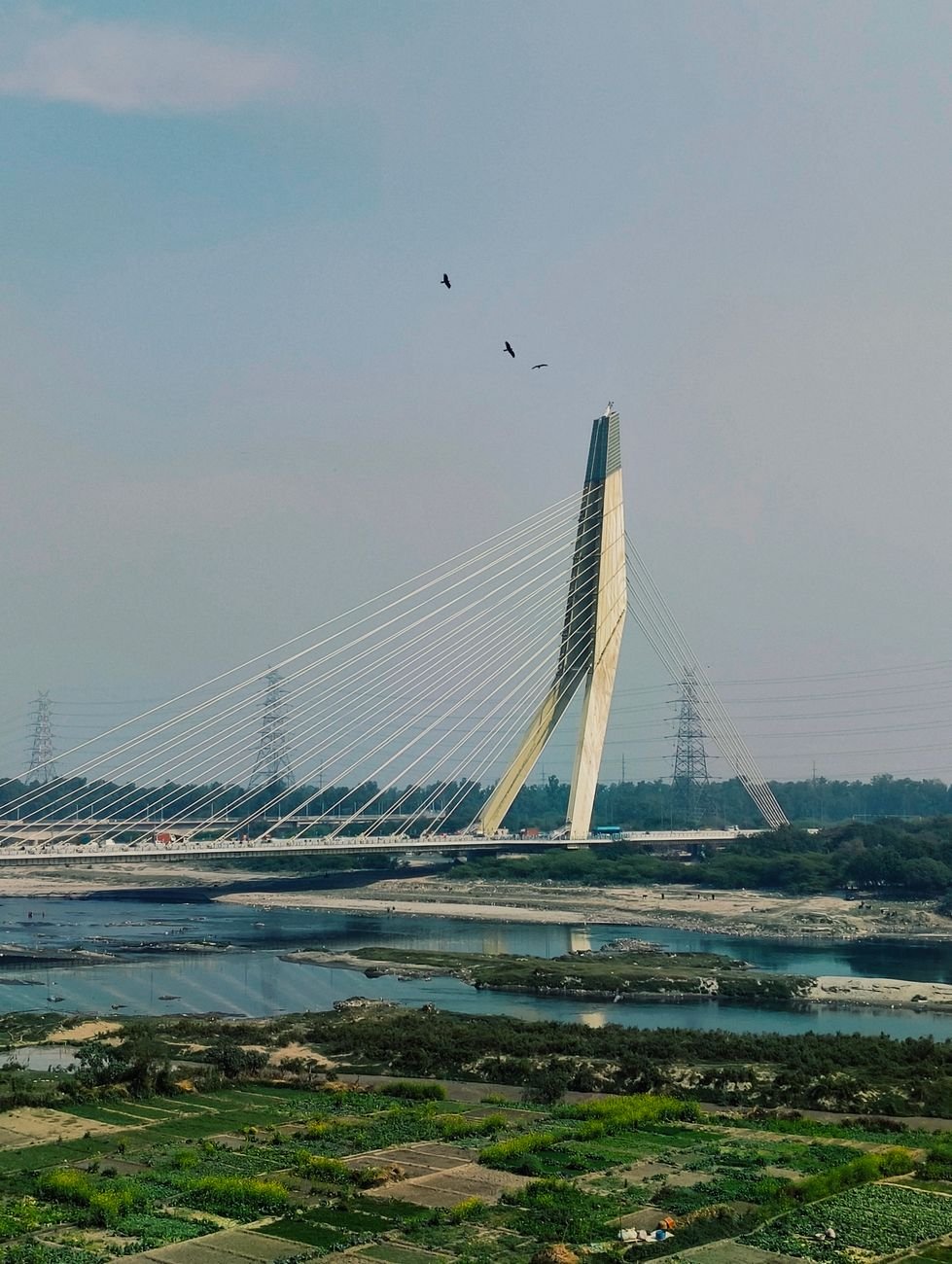
The structure is an 870 metre cable stayed bridge, built as Package B3 of the Sarawak Second Trunk Road. According to Gamuda, the contractor group that delivered the crossing with Naim Engineering, the bridge has twin towers rising 145.5 metres and a 450 metre main span across the river. That tower height makes it the tallest cable stayed tower in Malaysia, according to both Gamuda and the opening reports.
In a cable stayed design, steel cables run directly from tall towers to the deck, so the towers carry much of the load and the deck can span a wide river with fewer supports in the water. That matters on a river like the Batang Lupar, where a long clear span keeps the navigation channel open. According to Sarawak Public Works Department reporting, the bridge provides a navigation clearance 200 metres wide and 23 metres high, so river traffic can still pass beneath the deck.
The bridge was built to JKR R5 standards, the Malaysian public works standard for higher speed, higher capacity roads, with provision for a future dual carriageway. That choice is important for engineers because it means the foundations, deck width planning and approach roads were not designed only for today’s two lane traffic. The wider project also built about 2,355 metres of bridge access roads, roadside drainage, road furniture and safety barriers, according to The Borneo Post reporting carried in the opening coverage. The full Jalan Lidong project runs 27.84 kilometres, combining a new two lane paved road with upgrades of existing roads from JKR R3 to JKR R5 standards, plus two bridges in total.
Why This Crossing Matters Beyond One River
A bridge of this type changes a region in a way that a simple road repair cannot, and Batang Lupar Bridge No. 2 is a clear example of that effect. Before the opening, the distance penalty shaped daily life: a 73 kilometre detour added fuel, time and wear to every trip, and it discouraged trade between Sri Aman and Betong. Cutting that distance to 28 kilometres does more than save 35 minutes. It shortens supply chains for farmers and small businesses, makes it easier for workers to reach jobs across the river, and gives emergency services a faster route when minutes matter.
The crossing is also part of a larger programme. According to local reporting of remarks by Sarawak Deputy Premier Douglas Uggah Embas, this is the 14th of 22 bridges being built by the Sarawak Government at an estimated cost of RM7 billion. Seen in that context, the new crossing is not a standalone landmark. It is one link in a planned coastal and trunk road network that is meant to connect communities that were previously separated by rivers and long detours. Gamuda describes the bridge as a vital part of the Second Trunk Road and as a link that integrates Sri Aman into the broader Coastal Highway and Pan Borneo Highway networks.
There is a design lesson here too. A tall cable stayed bridge is expensive to build and demanding to maintain, with cables, towers and deck joints that need regular inspection. The engineering case for it rests on the long span, the navigation clearance and the future dual carriageway provision. If traffic grows as planners expect, the extra capacity built in now will avoid a second costly crossing later. If it does not, the bridge will still stand as a reminder that landmark height alone is not the measure of a project. The measure is whether the shorter, safer route is used every day by the people it was built for.
What Happens Next
With Batang Lupar Bridge No. 2 open, attention turns to finishing works and to how the route performs under daily traffic. According to opening coverage, finishing works on surrounding areas were still under way at opening, a normal stage for a project of this size. Drivers will now use the Betong interchange connection, and road managers will be able to judge whether the shorter route delivers the expected savings in travel time and logistics cost.
The wider test will come over the next year, as the remaining bridges in the Sarawak programme open and the Second Trunk Road network fills in around this crossing. For now, the opening gives Sri Aman and Betong a direct link that did not exist before, and it gives Malaysia a new record holder in cable stayed bridge design. Source reporting: Paul Tan, November 2, 2026, and Gamuda project page for the crossing.