
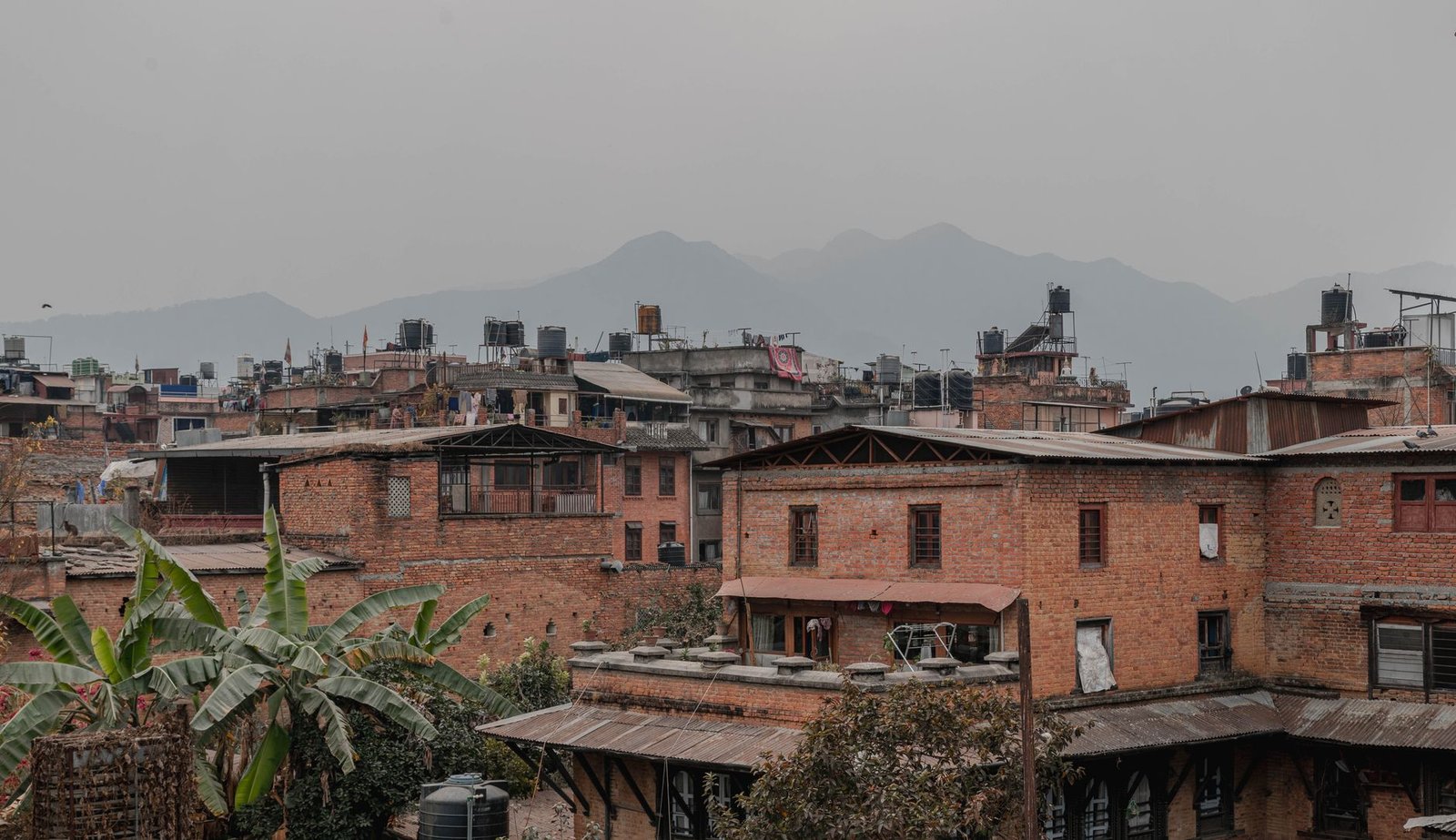
The Building Act 2083 Nepal proposal would guarantee every Nepali citizen’s constitutional right to housing.
Source: Balen Shah’s official Facebook post, Oct 3, 2026
The Ministry of Infrastructure Development has registered the Building Act 2083 bill at the Federal Parliament Secretariat, proposing to legally guarantee every Nepali citizen’s right to housing, from free construction materials for first-time home builders to subsidized smart homes for middle-income families.
What the Bill Proposes
According to the bill registered on Friday, the government aims to make the constitutional right to housing a practical reality through a mix of grants, free materials, and financed home ownership.
Free construction materials for first-time builders. Nepali citizens building a house for the first time would receive river-based and natural construction materials free of cost, provided the house follows the government-prescribed type design and standards. Citizens applying to build cattle sheds (goth) would also receive the necessary natural materials free.
Housing grants for the poor and vulnerable. To guarantee housing for poor and disadvantaged citizens, the bill proposes a combined grant of up to Rs 75,000: Rs 50,000 from the federal government and Rs 25,000 from the provincial government. Unsafe and high-risk settlements would be relocated to safe locations, with the government building new houses for the displaced families.
Smart Homes for Middle-Income Families
The Building Act 2083 Nepal bill and its regulations also propose safe, earthquake-resistant smart homes built to basic standards for middle-income citizens. These homes would cost between Rs 2 million and Rs 7.5 million, with plinth areas of 900 to 1,300 square feet.
Citizens could acquire these homes through concessional loans with multiple installment options:
- Rs 500,000 down payment + Rs 11,000/month for 15 years
- Rs 1,000,000 down payment + Rs 15,000/month
- Rs 1,500,000 down payment + Rs 20,000/month
- Rs 2,000,000 down payment + Rs 30,000/month
- Rs 2,500,000 down payment + Rs 35,000/month
Why This Matters for Engineers
If passed, the Building Act 2083 Nepal legislation would reshape residential construction across Nepal. Government type designs, standardized material provisions, and mass smart-home construction would create significant demand for civil engineers, overseers, and contractors — particularly in design compliance, quality supervision, and earthquake-resistant construction per the Nepal National Building Code.
Background: From Building Act 2055 to a New Housing Framework
Nepal’s current Building Act 2055 (1998) has governed building construction for nearly three decades, setting the legal basis for the Nepal National Building Code and municipal building permits. In 2018, the Right to Housing Act 2075 gave legislative shape to the constitutional right to housing under Article 37 of the Constitution of Nepal. The new Building Act 2083 bill builds on both, pairing the regulatory framework of building construction with an active state role in delivering housing, from free materials for first-time builders to financed smart homes for the middle class.
Registration at the Federal Parliament Secretariat is only the first step: the bill must go through committee review, parliamentary debate, and passage in both houses before it becomes law. Engineers should follow the deliberations closely, because the final text will define type-design standards, material specifications, and the compliance regime that will govern everyday residential construction. Our Nepal Building Code hub tracks the standards side of this story.
What Engineers Should Watch Next
Three things will determine how this bill affects practice on the ground. First, the government-prescribed type designs, their structural details and NBC compliance will decide how much design work shifts from private consultants to standard drawings. Second, the mechanism for free material distribution, transparent sourcing and quality control of river-based and natural materials will be critical. Third, the smart-home program’s delivery model, whether through public agencies, private developers, or partnerships, will shape where engineering jobs and contracts flow. Eve Construction will update this story as the bill moves through parliament.
The bill is at the registration stage; it must still pass through parliamentary deliberation before becoming law. Eve Construction will track the Building Act 2083 Nepal bill’s progress and publish the full provisions once the bill text is publicly available.