
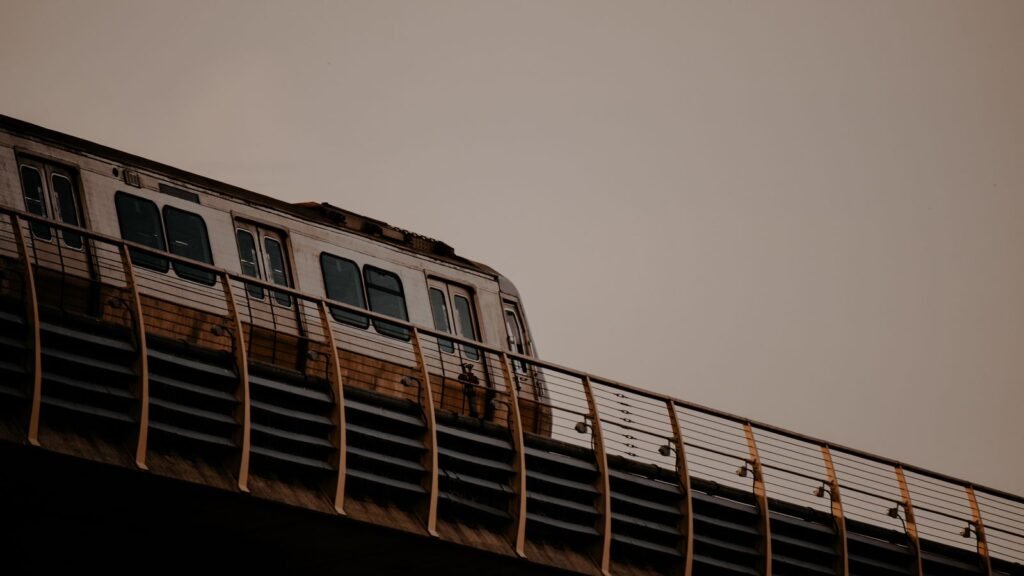
The Panama Canal tunnel drive is now complete, after a tunnel boring machine broke through at Albrook in Panama City on Monday, October 26, 2026, finishing the first bored tunnel ever built beneath the Panama Canal. According to Tunnels and Tunnelling, which reported the breakthrough on October 29, 2026, the machine completed a 4.5 kilometre drive from Farfan to Albrook, where the new line will connect with Panama Metro Line 1.
The breakthrough was attended by Panama President Jose Raul Mulino and Metro de Panama director general Cesar Pinzon, according to Tunnels and Tunnelling. Ground Engineering, which covered the arrival at Albrook on October 30, 2026, reports that Line 3 is now estimated to be 82 percent complete, with passenger service planned for 2028. When it opens, the line will link the western suburbs with downtown Panama City.
Panama Canal tunnel: how the drive worked
The machine behind the drive was a 13.5 metre diameter Herrenknecht mixshield tunnel boring machine, known as TBM Panama. According to Tunnels and Tunnelling, it was launched from Farfan in September 2024 and bored toward Albrook, passing under the Panama Canal channel at up to 65 metres below sea level.
That depth and location made the drive unusually demanding. The project team had to work through complex geology under high groundwater pressure, while meeting strict specifications so the canal itself stayed fully operational throughout, according to Tunnels and Tunnelling. The canal is one of the busiest shipping waterways in the world, so even a short interruption would have had consequences far beyond the construction site.
During the drive, the machine excavated nearly 700,000 cubic metres of rock and soil and installed 2,295 concrete rings, each made up of nine segments, according to Tunnels and Tunnelling. At its peak, the machine advanced 300 metres in a single month. Herrenknecht says the mixshield machine performance was a key factor in the project success, and notes that its accessible cutterhead allowed tool changes at atmospheric pressure, a feature that matters greatly when crews cannot easily reach the cutting face under pressure.
The contractor is HPH, a joint venture comprising Hyundai Engineering and Construction, Posco Engineering and Construction, and Hyundai Engineering, according to Tunnels and Tunnelling. President Mulino thanked more than 250 project workers, the HPH joint venture, and Panama Metro for working around the clock on the project, according to Ground Engineering.
Why this breakthrough matters
The Panama Canal tunnel matters because it proves a bored tunnel can be driven safely beneath a live canal of this importance, without stopping shipping. That is a different engineering problem from tunnelling under a river or a road. The ground, the water pressure, and the need to protect the canal structure all had to be managed at the same time, for every metre of the 4.5 kilometre drive.
It also matters for the people who will use it. Ground Engineering reports that Metro general manager Cesar Pinzon described the milestone as bringing faster, safer, and more dignified mobility closer for the people of West Panama, recovering hours of life currently lost in traffic jams. President Mulino described the feat as astonishing and groundbreaking, and said it will solve a major problem faced by residents of West Panama, according to Ground Engineering.
For Panama, the project is also a story of revival. Ground Engineering reports that President Mulino said he gave the project decisive impetus after years of delays under previous administrations, and presented Line 3 as part of a wider effort to recover stalled public works and give Panamanians more time with their families.
What happens next
With the Panama Canal tunnel excavation finished, the focus now shifts to the work that turns a bored tunnel into a working railway. That means permanent track, power, signalling, and safety systems inside the tunnel, followed by testing, before Line 3 can carry passengers. Ground Engineering reports the goal is to begin passenger service in 2028.
The remaining share of the project is still substantial, with about 18 percent of Line 3 to complete on the overall estimate reported by both sources. But the hardest underground risk, the canal crossing itself, is now behind the team. If the remaining works stay on schedule, West Panama commuters could be riding under the canal within about two years of this breakthrough.
Sources: Tunnels and Tunnelling, Panama Canal tunnel drive completed, October 29, 2026; Ground Engineering, TBM arrives in Albrook, following revitalisation of Line 3 Construction in Panama, October 30, 2026.