
Upper Trishuli-1 Force Majeure
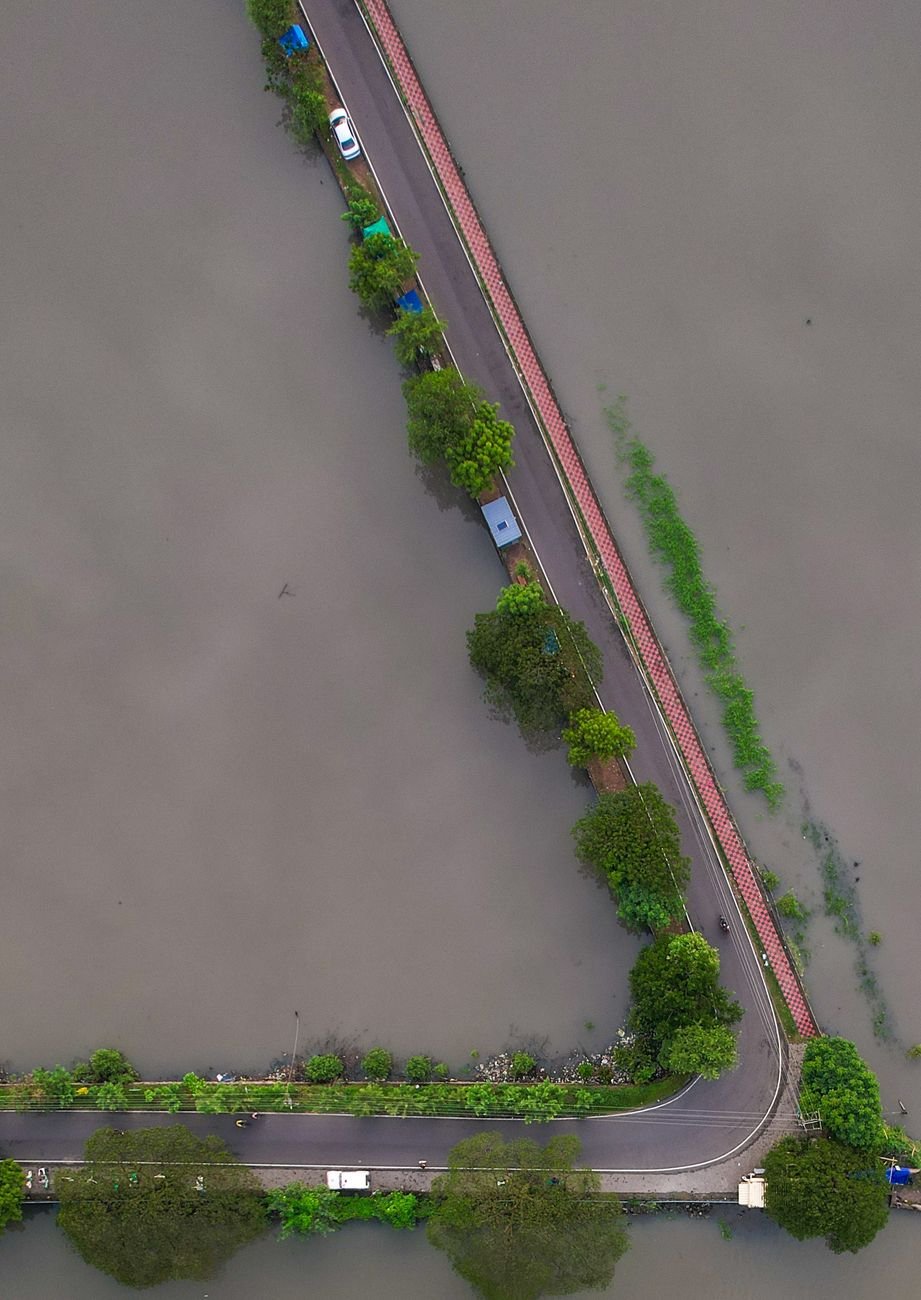
Korea’s Upper Trishuli-1 Hydropower Project in Nepal has invoked force majeure after August floods and landslides damaged the site, throwing the roughly 900 billion won development into uncertainty. According to Aju Press, the project’s local developer NWEDC, a subsidiary of Korea South-East Power, notified the Nepalese government of the force majeure in August and submitted a progress report in September asserting its claims under the government guarantee contract.
The damage has put the construction timeline in doubt. Citing lawmaker Kim Wi-sang of the People Power Party, the report says Nepal’s government has not requested changes to the timeline, schedule, or contract terms, leaving the project’s legal standing in a holding pattern. With completion by the end of this year now uncertain, the developer faces a difficult choice between resuming construction and withdrawing entirely.
Financing pressure is mounting. At the end of September, NWEDC asked a nine-institution lender consortium, including the IFC, the Korea Export-Import Bank, and the Asian Development Bank, for a standstill, a delay in exercising their rights, while it confirms return costs, insurance payments, and additional funding needs. The consortium is coordinating internally, with a review expected from late October to early November.
The path back to construction is steep. A feasibility study due in March will inform the resume-or-withdraw decision, and resumption would require refinancing plus a negotiated extension of the 30-year operating period. Professor Kang Bu-sik of Dankook University noted that project tunnels are blocked with debris and that weakened upstream glacier ice adds further risk. The contract allows termination if force majeure persists for more than two years, with compensation through asset transfer fees for natural disasters.
The EPC contractor, Doosan Enerbility, is reported to have suffered less damage thanks to phased payments under its fixed lump-sum contract, a structure that insulated it from some of the cost overruns. For Nepal, the episode underscores how climate-driven floods and landslides are becoming a central risk for Himalayan hydropower, where a single monsoon season can redraw project economics.
The standoff also carries lessons for Nepal’s hydropower procurement. Government guarantee contracts are designed to reassure foreign investors, but when disaster strikes, the claims process can freeze both construction and financing for months. How quickly NWEDC, the government, and the lenders align will determine whether Upper Trishuli-1 resumes as a Korean flagship investment or becomes a cautionary tale.
Source: Aju Press
Follow Upper Trishuli-1 force majeure updates and more Nepal