Lamapati Durbar Renovation
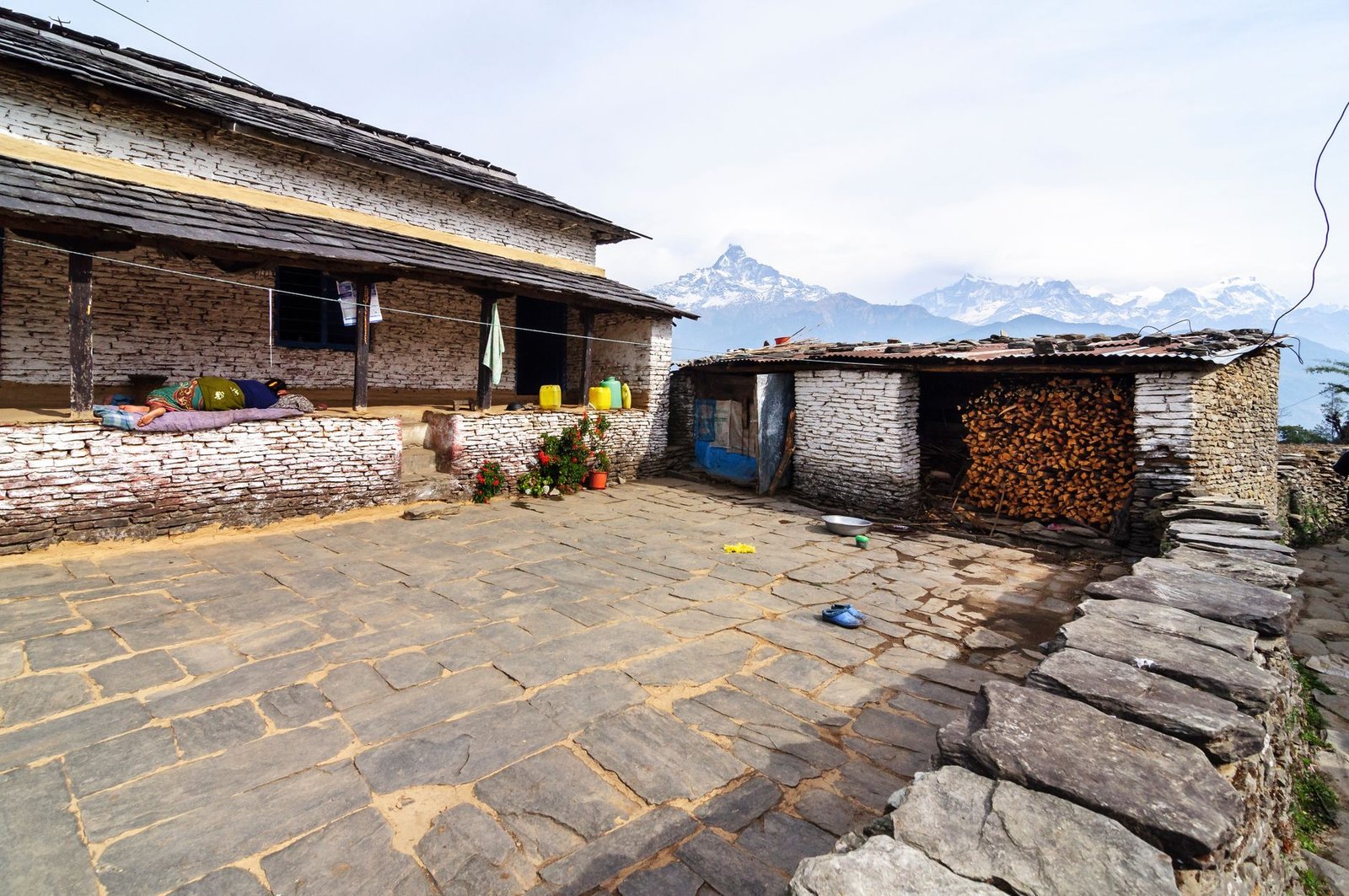
The historic Lamapati Durbar at Madhura in Arghakhanchi has been repaired and conserved. Gorkhapatra reports that the palace, which is the birthplace of Nepal’s first Rana prime minister Jung Bahadur Rana, has been restored after years of falling into disrepair, and that it is now being prepared as a tourist destination.
The durbar stands at Madhura in Sandhikharka Municipality 5. Jung Bahadur Rana built the Lamapati Durbar at his birthplace after he became prime minister, and the palace has stood there ever since as a reminder of the man who founded the Rana rule in Nepal. Over the years the building had grown dilapidated, with cracked rooms and a structure that was starting to crumble.
The repair work has now been carried out. The cracked rooms and the crumbling structure were repaired, the palace was painted, and the walkway was fixed where its bricks had fallen out. The building was painted red to make it attractive, stone was laid on the ground, and the whole premises were organised. The palace that was once falling apart now looks neat and cared for, in the words of the report.
Sandhikharka Municipality Mayor Krishna Prasad Shrestha told Gorkhapatra that the historic site where Jung Bahadur was born should be conserved and developed as a tourist destination. The historic heritage has been conserved, he said, and now it should be widely promoted so that it becomes a place visitors come to see. The municipality sees the durbar not only as heritage to be protected, but as an asset that can bring visitors and income to the area.
The Lamapati Durbar matters for two reasons. First, it is a piece of Nepali history. Jung Bahadur Rana is one of the most important figures in the country’s past, and the house where he was born is a direct link to that history. Second, it is a test of how Nepal looks after its historic buildings. Many palaces and historic houses across the country have been left to decay, and the Lamapati Durbar shows what can be done when a municipality decides to repair and conserve one of them.
The work done so far is the repair and the conservation of the building itself. The next step, according to the mayor, is promotion. A conserved palace only becomes a tourist destination when people know about it, when there is a way to reach it, and when there is something for visitors to see and learn when they arrive. The municipality will have to do that work if the durbar is to draw visitors to Madhura.
For engineers and conservationists, the Lamapati Durbar is a small but useful example. The repair used traditional materials and methods, with the red paint, the tiled roof and the stone paved ground keeping the character of the original building. That is the right approach for a historic structure, where the aim is to conserve what is there rather than to rebuild it as something new.
The durbar at Madhura is now standing in good condition again, more than a century and a half after Jung Bahadur built it. Whether it becomes a tourist destination will depend on the promotion and the facilities that follow. For now, the palace has been saved, and that is the first step.
Read more infrastructure news on the Lamapati Durbar Renovation and other projects in the News section of Eve Construction, Nepal’s construction hub.