
Kathmandu, 14 Oct 2026. Metro rail feasibility study for the Ratnapark to Bhaktapur corridor has begun, marking a concrete step toward a long discussed urban rail system for the Kathmandu Valley.
The study has started under the Kathmandu Valley Urban Transport System Master Plan, which was prepared with financial and technical support from the Japan International Cooperation Agency (JICA). The master plan took three years to prepare, reflecting the complexity of planning a rail network for the valley’s dense urban fabric. A JICA team has now begun the feasibility study for metro rail, bringing international technical expertise to the assessment.
Sushil Babu Dhakal, Joint Secretary at the Infrastructure Development Ministry, is the key official overseeing the process. According to officials, the study will examine whether metro operation on the master plan alignment is possible, its social and environmental impacts, what structures are needed, the effects of building them, financial returns, and the cost per kilometre. The comprehensive scope reflects the need to understand not just engineering feasibility but the broader consequences for communities along the route.
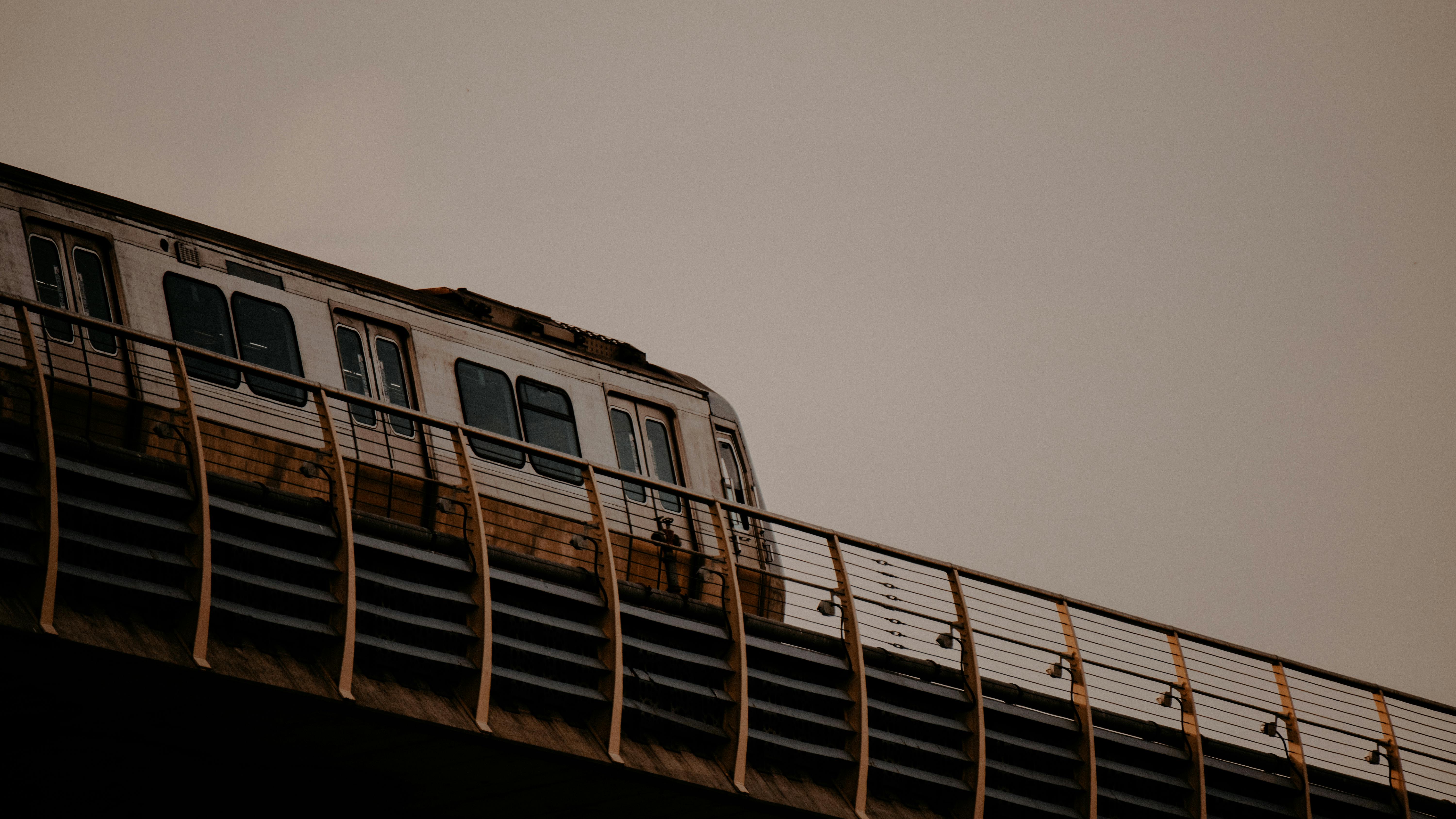
Kathmandu Metro Rail Master Plan Findings
The master plan shows that metro rail is possible over a total 77 km network in Kathmandu Valley, with 52 km elevated and 25 km underground. Earlier recommended elevated alignments include Satdobato-Ratnapark-Narayangopalchok at 12 km, Kirtipur-Kalimati-New Baneshwor-Airport at 11 km, and Koteshwor-Chabahil-Swayambhu at 29 km. Underground alignments include Swayambhu-Dillibazar-Boudha at 12 km and Dhobighat-Singhadurbar-Naksal-Gongabu at 14 km, as printed in the report.
The first phase alignment runs from Jagati in Bhaktapur along the Araniko Highway to near Tribhuvan International Airport on the surface, then underground through the airport area, then surface from the airport to Maitighar and from Maitighar to Ratnapark. This phased approach allows the project to connect Bhaktapur with central Kathmandu while navigating the sensitive airport zone underground.
Capacity and Earthquake Safety
The capacity comparison is stark. Buses carry about 8,000 passengers per hour per lane, while metro rail can carry 25,000 to 30,000. The valley will need capacity of 50,000 passengers per hour within the next 50 years, and the Rail Department says there is no alternative to a Kathmandu metro for that demand. The figures underline why planners see rail as essential rather than optional for the valley’s future mobility.
Underground structures are described as safer in an earthquake than surface structures in the seismically high risk Kathmandu Valley. This assessment is particularly significant given the valley’s earthquake vulnerability. The feasibility report will also settle depot, halt, and station locations, boarding and alighting design, and parking areas, addressing the practical details that determine how the system will function day to day.
The study team will submit its report within six months. Only after the report can the project move to implementation, followed by a detailed project report on design. The master plan also proposes replacing small vehicles with large ones and building Bus Rapid Transit on some roads, indicating a broader strategy to reorganize the valley’s public transport around higher capacity modes.
Read more construction news and contract awards on Eve Construction.