
A Narayani River embankment of 60 kilometres is needed to protect riverside settlements from flooding and bank erosion, according to a field study completed after the Ashwin 11 flood. The assessment found that 15 kilometres of embankment is required on the Chitwan side of the river and 45 kilometres on the Nawalparasi side, and it estimates the full construction programme will cost about Rs 22 billion at current market prices. The study measured the damage along both banks and mapped where new Narayani River embankment sections must be built before the next monsoon.
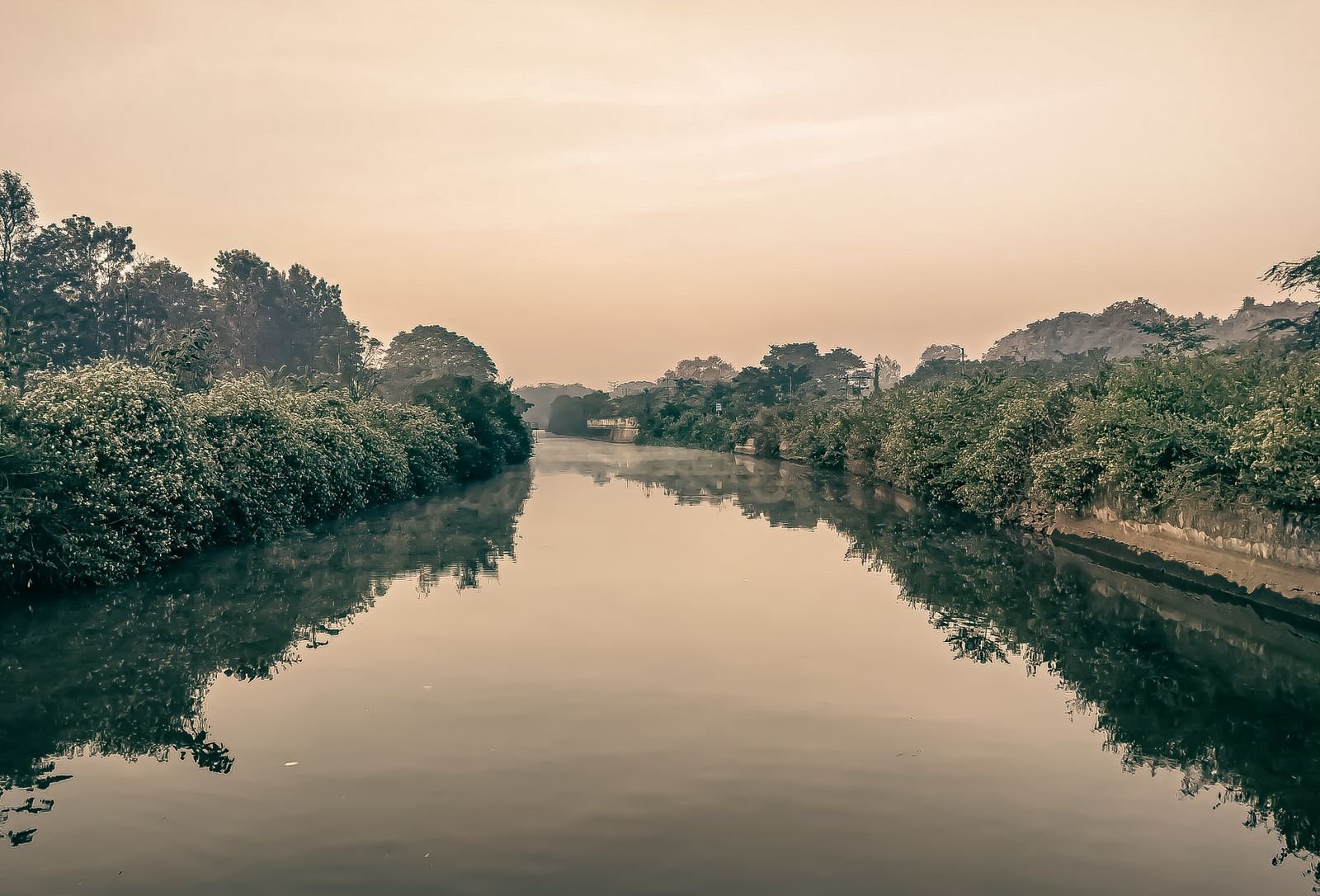
Urgent Repairs Need Rs 6 Billion Now
Dr Narayan Subedi, chief of the Irrigation and Water Resources Management Project Office in Bharatpur, says about Rs 6 billion is needed immediately for urgent repair and protection works so the river does not cause further damage. Officials describe this as the first and most time sensitive part of the programme, meant to stabilise the most vulnerable stretches before the next flood season.
Boulder Shortage Could Slow the Narayani River embankment Work
Another obstacle is the supply of construction material. Dr Subedi says the large boulders needed for embankment construction are not available in sufficient quantity, and gathering them in the required volume is difficult because river control projects across the country are competing for the same stone. Even if funding is secured, this competition could slow work on the Narayani River embankment.
This Year’s Flood Eroded Banks from Narayangadh to Susta
This year the river eroded its banks at several places, from the Gaureshwar temple area above Narayangadh bazaar through Trivenidham and up to Susta. The project office says that if the embankments needed for next year’s flood control are not built, the river is likely to cause still more damage along these same stretches.
Budget Talks Under Way at Political and Administrative Levels
Efforts to arrange the budget have begun at political and administrative levels, and a multi-year plan with budget set aside over several years has been discussed. Sagar Paudel, information officer at the project office, estimates the embankment work will cost about Rs 22 billion at current market prices. He warns that if the budget is not arranged in time and construction does not move ahead, settlements will face the same erosion risk again next year.
Local representatives say they have taken initiatives to get budget released through the Irrigation Ministry. Rastriya Swatantra Party Chitwan district chair Mini Madhav Khanal says he has pushed for the release of funds and warns that the damage could grow if construction does not start this year.
Why the Narayani River embankment Matters for Riverside Communities
Planned works would shield riverside settlements in Chitwan and Nawalparasi that face the river every monsoon. Homes, farmland and local roads near the banks have taken repeated hits from erosion, and residents say each flood season brings fresh losses. A continuous line of protection would give these communities a stable defence and safeguard the fields that support local livelihoods. Officials say protecting these settlements is the main goal of the programme.
Engineers note that embankments also need steady maintenance once built. Boulders, wire mesh and regular inspection keep the structure intact through years of flood pressure, and timely repairs cost far less than rebuilding after a breach. The project office says maintenance planning will run alongside construction.
With the study now complete, attention shifts to securing funds and starting work before the next rains. Local leaders say the coming months are decisive, and the project is part of the wider Nepal flood recovery and reconstruction push across the country.
This article is rewritten in our own words from a Gorkhapatra news report by its Chitwan correspondent, published on Ashwin 27, 2083 BS (13 October 2026). Gorkhapatra is credited as the original source.