On Monday, November 9, 2026, work stopped indefinitely at the Tarbela Dam in Pakistan after a section of weak rock collapsed deep inside the dam’s fifth extension project and water flooded a tunnel and the under-construction powerhouse. According to the Water and Power Development Authority, known as WAPDA, the rock gave way at about 10:30 in the morning while crews were excavating the second bench of a connecting tunnel. Water from the intake pit poured into the tunnel and then into the powerhouse area, and every worker on site was evacuated at once.
No one was killed or injured, according to WAPDA, although local officials said one worker was swept into the flooding tunnel and pulled out by rescuers. WAPDA said the water in the intake pit had been completely drained, pumping out of the powerhouse had begun, and no more water was entering the downstream work sites. The authority also pushed back against reports circulating on social media that Tunnel 5 had collapsed. It said there was no damage to the main tunnel, the under-construction powerhouse, the tailrace culvert or the switchyard. The district administration in Haripur confirmed that all Pakistani and foreign workers, including Chinese engineers, had been evacuated safely.
Tarbela Dam: how the fifth extension was supposed to work
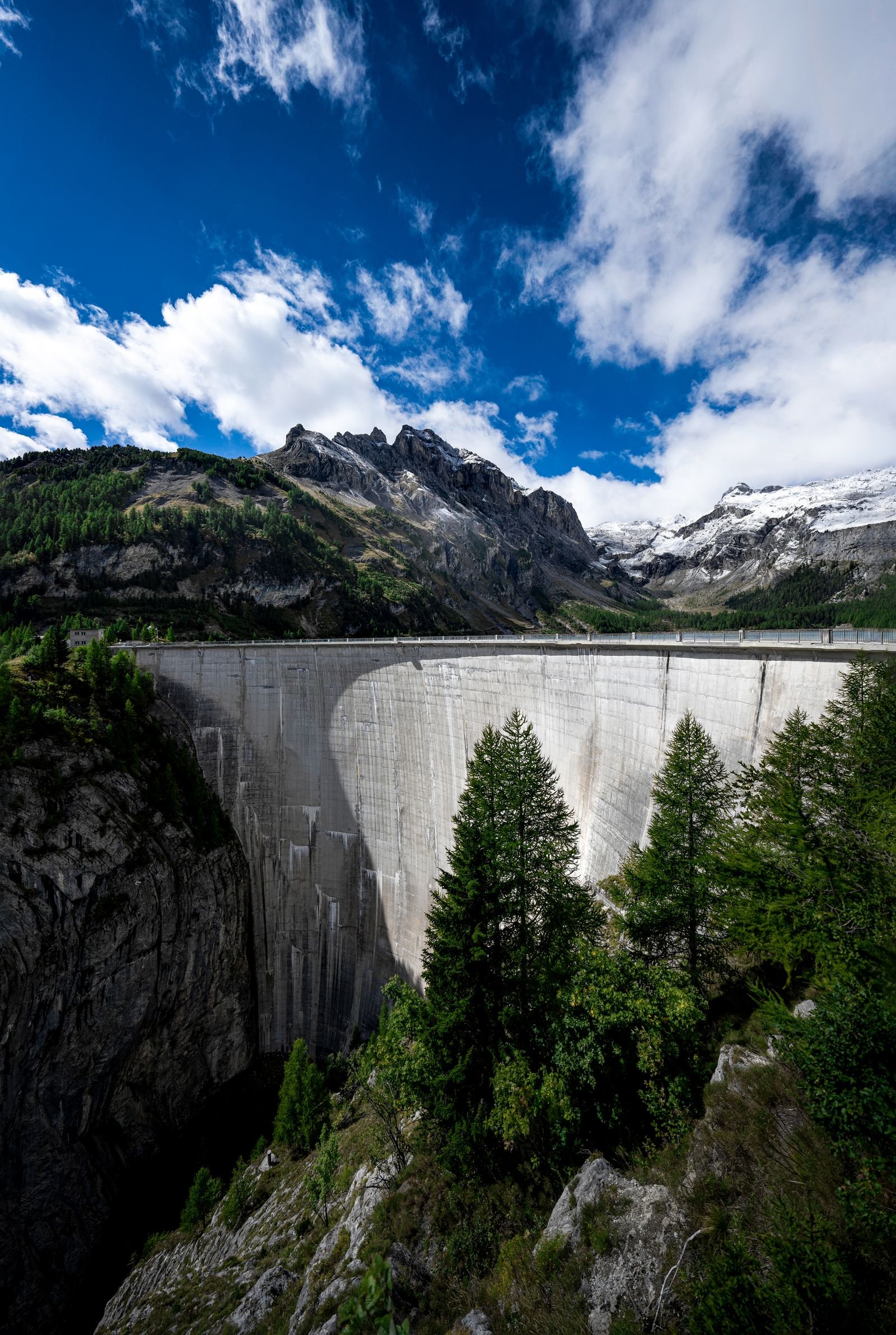
The Tarbela Dam stands on the Indus River in Khyber Pakhtunkhwa and is the largest earth and rock fill dam in the world. The fifth extension, known as T-5, takes Tunnel 5, which the dam originally used only to release irrigation water, and converts it into a power tunnel. A raised intake and a new powerhouse with three 510 megawatt units would add 1,530 megawatts of capacity, lifting the dam’s installed total from 4,888 megawatts to 6,418 megawatts, without building a new dam or creating any new storage. The power would come from water the dam already releases, which is what makes the scheme so attractive on paper.
The engineering challenge is the ground itself. The tunnel and powerhouse are being built inside and beside a dam that has been in service since the 1970s, and the work must hold back the full weight of the reservoir while excavation goes on. The connecting tunnel where the rock failed links the intake to the powerhouse, so a collapse there lets reservoir water straight into the heart of the works. That is exactly what happened on Monday, and it is the second time water has overwhelmed the project in about 15 months. In August 2025, rising reservoir levels and inflows flooded parts of the site and a cofferdam collapsed, stopping construction. A government inquiry into that earlier failure, reported in July 2026, held the Chinese contractor, the consultant and WAPDA jointly responsible and pointed to unauthorised design changes made after the contract was signed.
Why this matters beyond one dam
The Tarbela Dam is a lifeline for Pakistan. It supplies a large share of the country’s hydropower and stores water that irrigates farms across the Indus basin, so a long delay at T-5 hits both electricity supply and the wider economy. The project is co-financed by the World Bank, which put in 390 million dollars, and the Asian Infrastructure Investment Bank, which put in 300 million dollars, on an approved cost of 807 million dollars. The civil works contract, worth 354.6 million dollars, went to the Power Construction Corporation of China in May 2021.
The cost picture has already blown out badly. According to planning documents cited in Pakistani reporting, the project cost has climbed from 82 billion rupees to about 317 billion rupees, an increase of more than 285 percent, and the levelised cost of generation is now estimated at 27 to 28 rupees a unit over 30 years, which planners say could make the project economically unviable. Completion had already slipped from 2026 to the end of June 2028 before Monday’s flooding, and the first unit, once expected in April 2027, now faces a further delay. Pakistani media report the latest incident could add at least two more years, and WAPDA has not said when work will restart.
What happens next
WAPDA has ordered a high-level inquiry into the flooding, and engineers must first drain and inspect the tunnel and powerhouse, then assess the damaged rock zone before any repair plan can be drawn up. That work alone could take months. The inquiry will also have to answer the harder question: whether the ground investigation and support design were adequate for tunnelling beside a live reservoir, and whether the lessons of the 2025 cofferdam failure were actually applied. For engineers watching from outside Pakistan, the T-5 flooding is a reminder that the riskiest moment in a hydropower extension is not the dam itself but the temporary works and the rock around them. The dam still stands, the main tunnel is reported undamaged, and no lives were lost, but a 1,530 megawatt project that was meant to be finished this year is now stopped with no restart date, and its cost has nearly quadrupled.
Source: The News, “All workers safely evacuated as rockfall sends water into Tarbela powerhouse”, November 9, 2026. https://www.thenews.pk/story/1447791-all-workers-safely-evacuated-as-rockfall-sends-water-into-tarbela-powerhouse