Nepal Postal Service
The Nepal Postal Service has become faster and more effective as Nepal’s highway and branch road network has expanded, Gorkhapatra reports. Letters and parcels that once took long detours now travel on shorter routes, and the Department of Postal Services says ordinary mail now reaches any part of the country within a week at most.
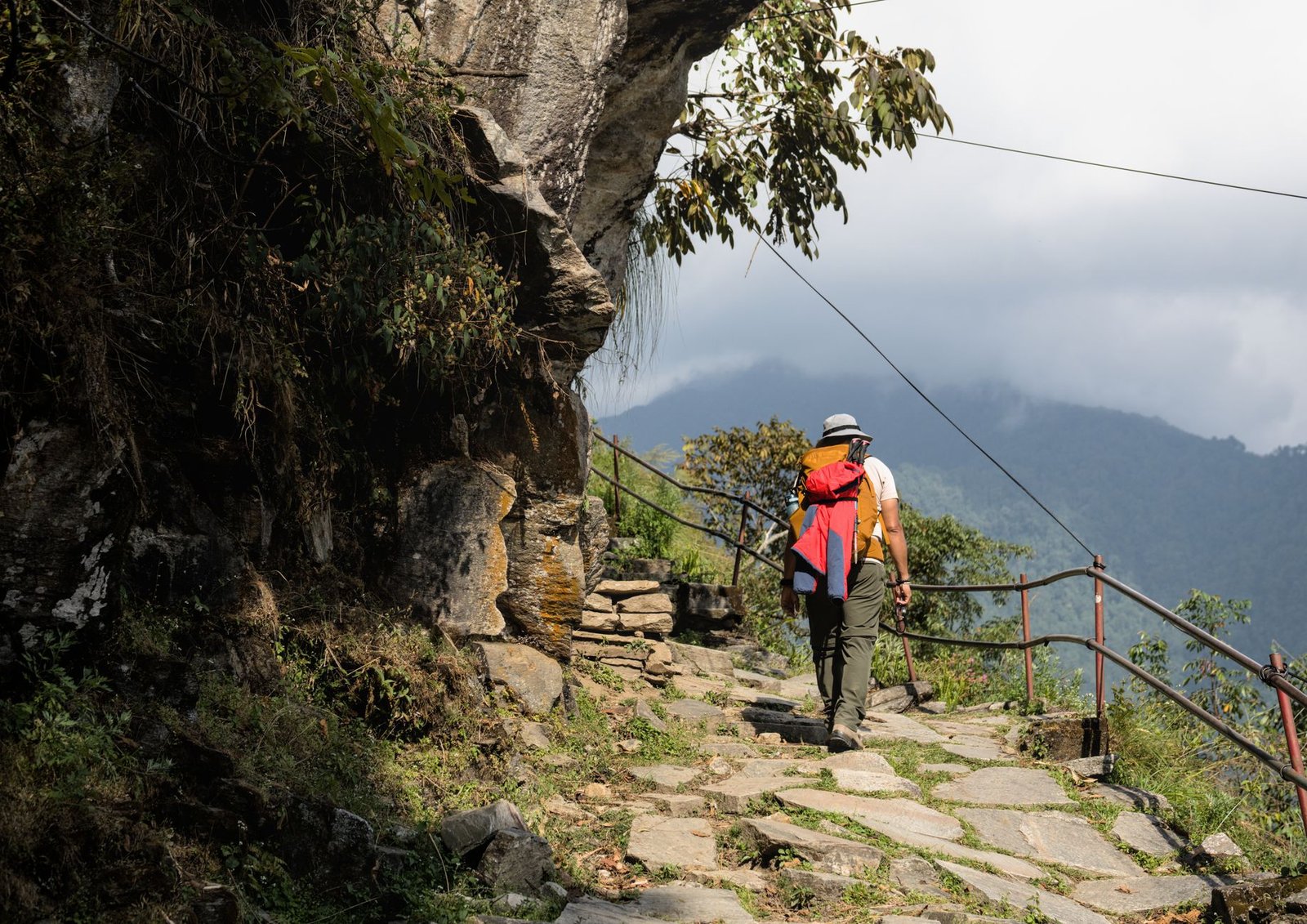
The change follows the development and widening of national highways and their branch roads. As the road network grew, the routes walked by postmen became shorter, and it became easier to carry letters and parcels into remote areas. Sapana Kumari Bhattarai, spokesperson for the Department of Postal Services, told Gorkhapatra that the reach of the Nepal Postal Service has grown compared with the past, largely because of the expansion of highways and branch roads, including the Mid-Hill Highway.
The engineering change behind the improvement is a re-survey of the mail routes themselves. As roads were built and extended, the department reviewed and re-drew the dak rekha, the mail routes that postmen follow. Bhattarai said the shorter walking routes and the revised mail routes have made delivery smoother. She said that after the Mid-Hill Highway was built, the distance to districts such as Rukum, Rolpa and Baglung became shorter. Even Dolpa, one of the most remote districts, can now receive letters within seven days at most, she said.
The Nepal Postal Service now runs on three services. Ordinary letters and parcels sent by post reach anywhere in the country within a week. Express mail service, known as EMS, carries items to their destination within 72 hours. The department accepts parcels of up to 20 kilograms by post, except for valuables and items banned by law, while EMS carries letters and items of up to two kilograms. That structure gives senders a choice between a cheap ordinary service and a fast express service, both running on the same road network.
The way mail is delivered has also changed. In the past, an item addressed to a particular place inside a district first had to reach the district headquarters, and only then was it distributed onward, which caused delays. Now the department has developed a system of short routes that carry mail directly to the address of the recipient, without passing through the district centre. That change has cut the time taken to move mail, and it has made the service simpler for people in remote areas, according to Bhattarai.
The improvement matters because the postal network is one of the few public services that still reaches every district, and its speed depends directly on roads. A letter, a parcel, a driving licence, an academic certificate, a SIM card or a passport all travel by the same roads that engineers build. When a road is blacktopped or a new alignment opens, the postal service gains the benefit at once, without any new building of its own. For people in remote districts, that link is often the only way to receive official documents at home.
The Nepal Postal Service now delivers government documents to the doorstep of recipients, including driving licences, academic certificates, SIM cards, passports and other official papers, and the department says that work is continuing. The expansion of the road network and the re-survey of mail routes have also helped bring people in remote areas within reach of the postal service, Bhattarai told Gorkhapatra.
What happens next depends on the roads. Every new highway section and every upgraded branch road shortens another mail route, and the department says it will keep revising its routes as the network grows. For engineers, the story is a reminder that a road is not only a transport asset. It is also the backbone of the postal system, and its condition decides how fast a letter from Kathmandu reaches a village in Dolpa.
Read more infrastructure news in the News section of Eve Construction, Nepal’s construction hub.