
Mistri Khola hydropower transmission
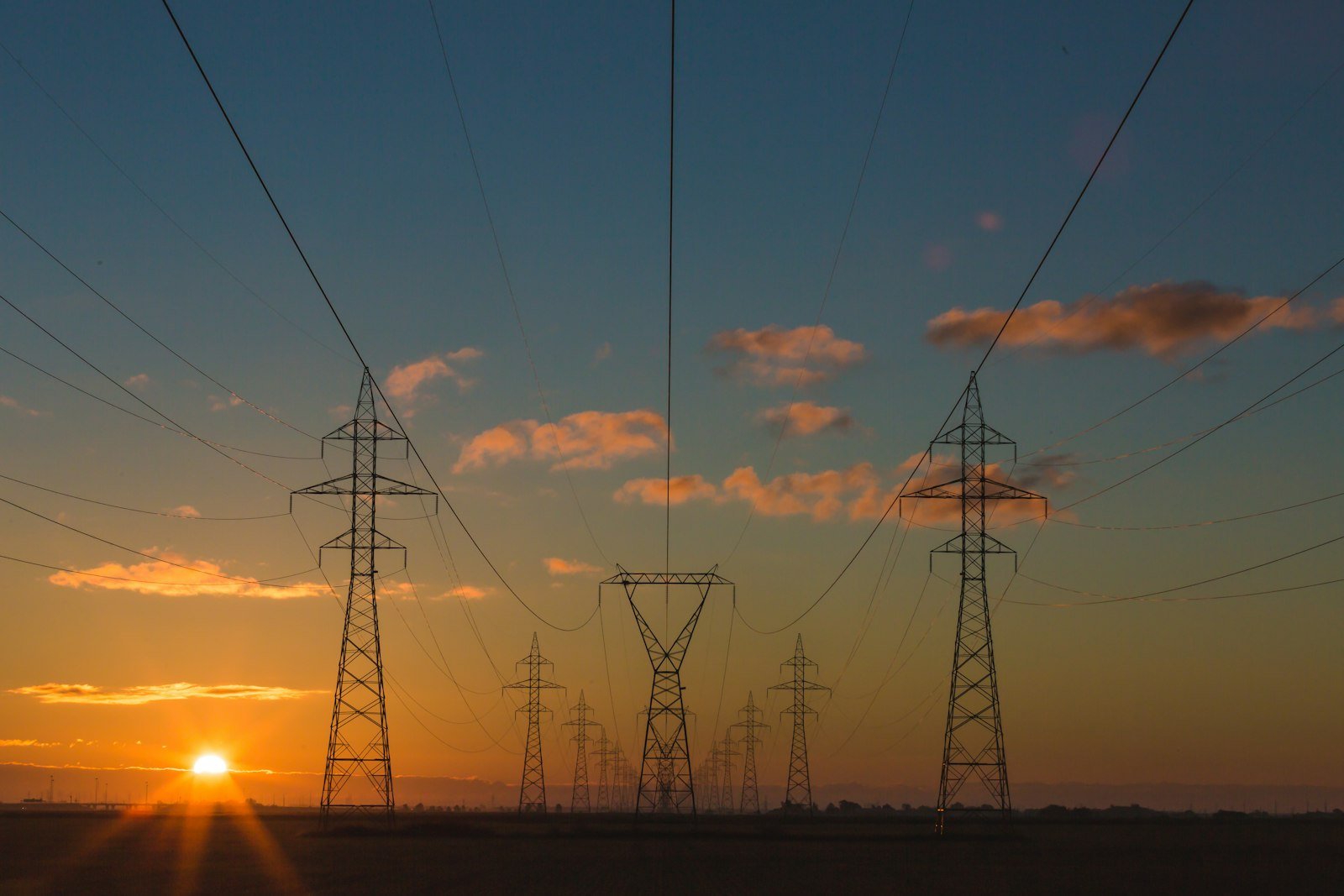
Myagdi, October 26, 2026. Mountain Energy Nepal has restored Mistri Khola hydropower transmission from the 42 MW Mistri Khola project in Myagdi, according to the morning briefing. The restoration follows emergency repairs to transmission towers that had been damaged by flooding, and it returns the project to a position where its power can again move through the transmission system. The announcement is a practical one, according to the briefing, because it is about a link being repaired and put back into service, rather than about a new plant being built.
According to the briefing, Mistri Khola hydropower transmission was restored after emergency repairs to flood damaged transmission towers. That detail matters, according to general engineering practice, because a hydropower plant can only deliver value when the line that carries its output is sound. Turbines, waterways and switchyards all form part of a generation site, according to general practice, but the towers and conductors that connect the site to the wider grid are the final step in the chain. When a tower is damaged, according to general practice, the operator must first make the site safe, then assess the structure, then repair or replace the affected parts, and only then re-energise the line under controlled conditions.
Emergency repair work on a transmission line in mountain terrain is, according to general engineering practice, a demanding task. Access can be limited, weather can change quickly, and heavy components must be moved to locations that are not always served by a simple road. Crews must also work with high voltage equipment, according to general practice, so testing and safety checks are not optional extras. They are part of the repair itself. The briefing does not list each tower, each component, or each inspection step in detail, according to the information provided, so this report does not claim a fuller repair schedule than the briefing gives. What the briefing does confirm, according to the report, is that the emergency repairs were completed and that transmission has been restored.
The project size is also part of the story, according to the briefing, because the plant is rated at 42 MW. In general terms, according to general energy practice, a plant of that size can make a meaningful contribution to a regional supply picture, although its exact output at any time will depend on river flow, plant availability and grid conditions. The briefing does not give a daily output figure, according to the information provided, so no such figure is stated here. The important point, according to the briefing, is that the restored line once again provides a route for whatever power the plant produces to reach the grid, rather than leaving that power stranded at the plant.
The restoration matters for more than the plant itself, according to general energy discussion. Hydropower projects in Nepal are often located in valleys and hills that are far from major load centres, according to general discussion, so transmission lines are the link between remote generation and homes, businesses and industry. When that link is interrupted, according to general discussion, the system loses a source of supply at a time when other sources may already be under pressure. Restoring the link, according to general discussion, therefore helps grid stability, helps make better use of the plant that has already been built, and reduces the risk that power is available at the plant but cannot be used elsewhere.
Flooding is a recurring challenge for infrastructure in Nepal, according to general discussion, and transmission towers near rivers and slopes can be exposed to erosion, landslides and high water. A flood damaged tower, according to general engineering practice, may not always show its full weakness at first glance, which is why inspection after a flood is important. Repairs may involve foundations, steel members, insulators and conductors, according to general practice, and the work must be checked before the line is returned to normal service. The briefing describes the Mistri Khola repairs as emergency repairs, according to the report, which suggests that speed was important, but the report does not add details about the repair method that the briefing does not provide.
What happens next, according to the briefing, is continued operation through the restored line, with attention to the condition of the repaired towers and the wider transmission route. In general terms, according to general engineering practice, operators after an emergency repair will monitor the repaired sections, watch for further movement or damage after rain, and plan any longer term reinforcement that inspection shows to be needed. The briefing does not state a date for further work, according to the information provided, so no such date is given here. Readers should therefore treat the restoration as a completed repair step, according to the briefing, while recognising that flood affected infrastructure often needs ongoing inspection in the months that follow.
Source: ICT Frame report on the restoration.
More updates on the Mistri Khola hydropower transmission will appear in Eve Construction News coverage.