Dolalghat Charnawati Tunnel
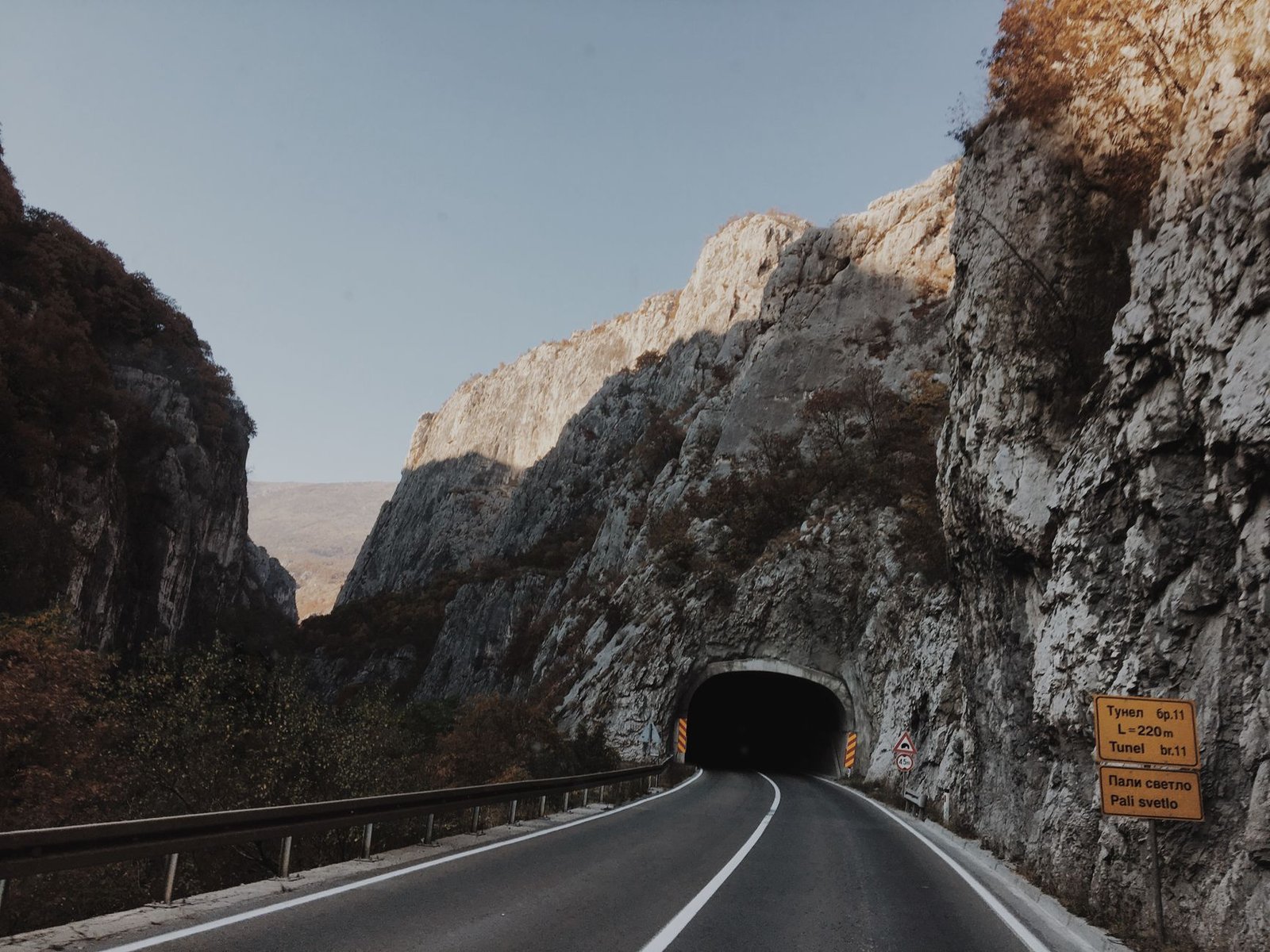
The feasibility study for the proposed Dolalghat Charnawati Tunnel has begun, with the government moving ahead on a tunnel that would connect Dolalghat in Kavre with Charnawati in Dolakha. Gorkhapatra reports that the budget for the study has been allocated and the work has now taken shape, giving the long discussed tunnel its first concrete step forward.
The proposed tunnel would link Dolalghat in Bhumlu Rural Municipality 8 of Kavre district with Charnawati in Shailung Rural Municipality 7 of Dolakha district. In the current fiscal year 2083/84, Rs 18 lakh 90 thousand has been allocated for the construction process and the feasibility study of the Dolalghat Charnawati Tunnel. Gorkhapatra also reports a total allocation of Rs 67 crore 1 lakh under the Ministry of Physical Infrastructure Development for advancing tunnel work.
The Department of Roads is the agency carrying the tunnel programme forward. Engineer Rajesh Poudel, director of the Quality Research and Development Centre under the Department of Roads, told Gorkhapatra that eight tunnels are currently under construction across the country and 23 more are under study. The Dolalghat Charnawati Tunnel is among the studies that have now advanced, he said. Tunnel study and construction work across the country is handled under the same centre, according to the department.
The tunnel matters because it would shorten the road distance between Kathmandu and the border with China. National Planning Commission member Arjun Jung Thapa, who looks after the infrastructure sector, told Gorkhapatra that the tunnel would contribute to the overall economic development of the country and to long term strategic connectivity. Once the road section is built, travel time and fuel costs would fall sharply, which would bring down the cost of imports and exports, he said. Goods coming from India through the BP Highway and goods coming from China would both use the tunnel as a bridge, in his words, making it a link between the two trade routes.
The project fits the government’s stated policy of modernising the road network in the hills. Rather than long winding roads that climb over every ridge, the policy gives priority to shorter and straighter routes, with tunnels as the way to cut through the hills. The Dolalghat Charnawati Tunnel was proposed under that approach, and the feasibility study is the step that will test whether the alignment, the geology and the cost all work.
What happens next is the study itself. The feasibility study will examine the route, the ground conditions and the likely cost before any decision on construction. No construction date and no construction cost have been announced, and Gorkhapatra does not give a tunnel length in its report. The study will have to answer those questions first, and the Department of Roads will then decide how the project moves ahead.
For engineers and contractors, the study is worth watching because it is one more tunnel entering the national pipeline alongside the eight already under construction and the 23 under study. The Dolalghat Charnawati Tunnel would serve Kavre and Dolakha directly, and it would give the Kathmandu valley a shorter route toward the northern border. Its progress will depend on what the feasibility study finds and on the budget the government is willing to commit in the coming fiscal years.
Read more infrastructure news on the Dolalghat Charnawati Tunnel and other projects in the News section of Eve Construction, Nepal’s construction hub.