Malaysia has started the final countdown to opening its biggest railway project in a generation. The East Coast Rail Link began trial operations on Saturday, November 7, 2026, carrying its first passengers on a rehearsal run from Gombak to Kota Bharu, a little over a month before commercial services are due to begin on December 12, 2026.
The first trial train left Terminal Bersepadu Gombak at 7.00 am sharp, according to Malaysia Rail Link, known as MRL. It reached KotaSAS station in Kuantan at 8.28 am, completing the trip in just 88 minutes with 170 passengers on board and reaching speeds of up to 160 km/h. The train then continued to Kuala Terengganu, arriving at 9.53 am, and reached its final destination, Kota Bharu station, at 10.58 am. The trial programme runs until December 2, 2026, and covers both express and transit services between Gombak and Kota Bharu in both directions.
The East Coast Rail Link is a 665 km electrified railway that will connect Port Klang on the Straits of Malacca with Kota Bharu in the far north east of Peninsular Malaysia. Phase 1, the Kota Bharu to Gombak section now in trial operations, has 20 stations in total across the full line, and construction of Phase 1 had reached 98.47 percent completion as of October 2026, according to MRL. The full project cost is about RM50.27 billion for construction, with the total project cost including other development costs reported at RM74.96 billion.
East Coast Rail Link: the engineering behind the line
The hardest engineering on the East Coast Rail Link sits in the mountains between Pahang and Selangor. The 16.39 km Genting Tunnel is the longest rail tunnel in Malaysia, a twin bore driven through the Titiwangsa Mountains by two tunnel boring machines, each 8.98 metres in diameter. According to the transport ministry, those are the largest tunnel boring machines ever used for rail tunnel excavation in Malaysia, and the tunnel passes as much as 750 metres below the highest peak above it. The first trial train crossed the tunnel in about six minutes, according to Business Today Malaysia.
The line as a whole includes 59 tunnels with a total length of 61 km, plus viaducts with a total length of 127 km, according to the transport ministry. The second major tunnel, the 14.1 km Serendah Tunnel, was built by drilling and blasting rather than by machine. The combination of long tunnels, high viaducts and steep mountain terrain is what makes the railway one of the most demanding civil engineering projects Malaysia has ever built.
The trains are electric multiple units, and the railway is being built and operated through a government to government partnership between Malaysia and China. The main contractor is China Communications Construction Company, and operations will be run by ECRL Operation, a joint venture between MRL and China Communications Construction (ECRL). The line is designed for passenger trains at 160 km/h and freight trains at 80 km/h.
East Coast Rail Link: why the trial runs matter
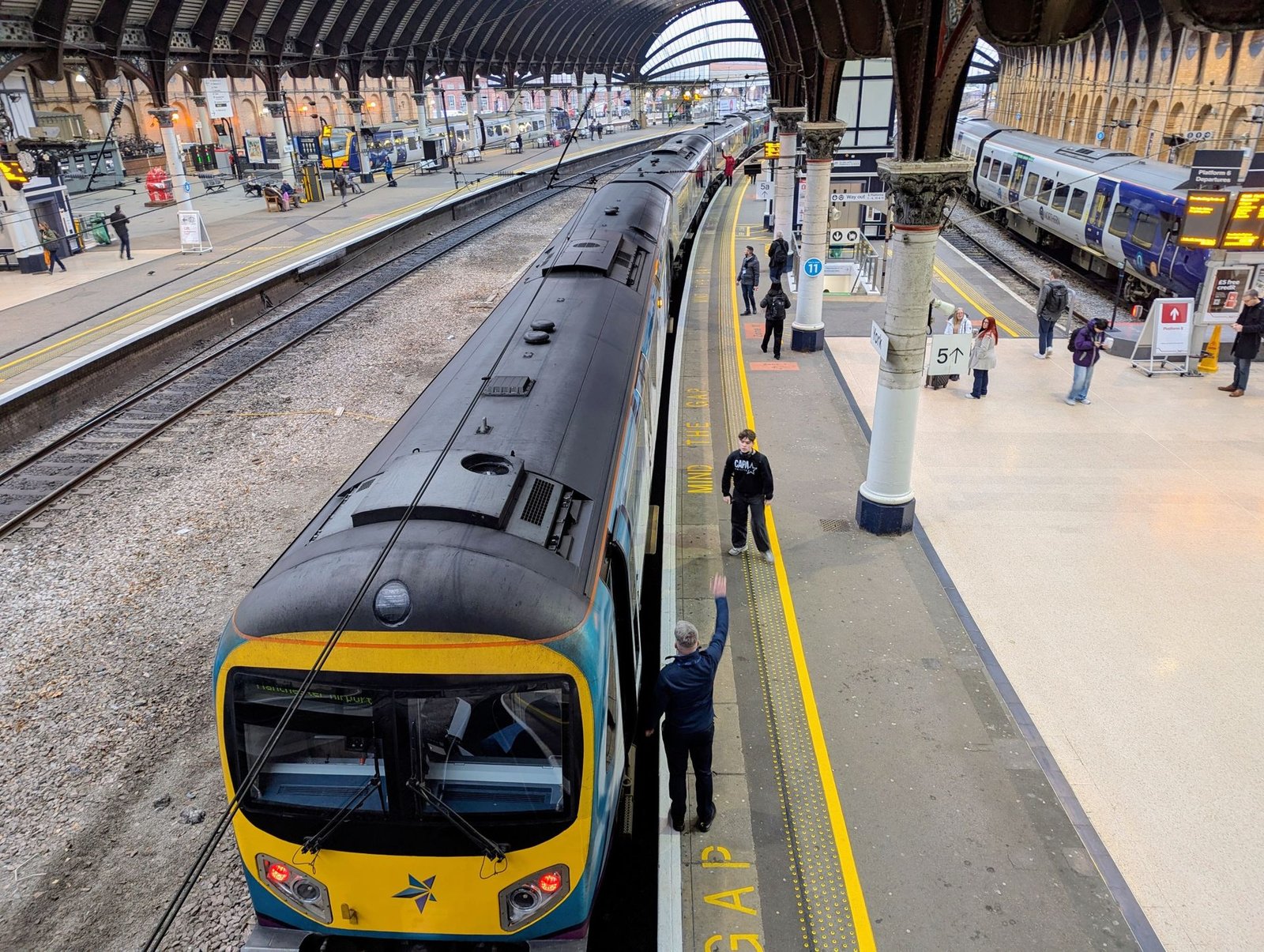
Trial operations are the last test before a railway opens to the public, and they test far more than the trains. According to MRL, the trial runs will assess operational readiness, service efficiency, station management and the passenger experience in a real operating environment. The trains run to the planned commercial timetable, with boarding passes issued and cabin crew on board, so every part of the passenger journey is rehearsed before paying customers arrive.
The trial programme follows the completion of the key testing and commissioning stages, including the system integration test and a fault free run completed on October 29, 2026, according to Paul Tan. MRL chief executive Dato Sri Darwis Abdul Razak said the focus during trial operations is to make sure the service is ready to offer a safe and reliable journey, and that each journey gives the operator a chance to assess the passenger experience and operational arrangements ahead of opening to the public.
The impact of the line is measured in hours saved. According to the transport ministry, the journey between Gombak and Kota Bharu takes at least seven hours by road today, and the East Coast Rail Link will cut that to about four hours by rail. Fares for the Gombak to Kota Bharu route start at RM125 for transit services and RM147 for express services, according to Paul Tan. The railway also connects the east coast states of Kelantan, Terengganu and Pahang with the Klang Valley economic hub, and the second phase, from Gombak to Port Klang, is due for completion in January 2028.
What happens next
If the trial programme finishes on schedule on December 2, 2026, commercial passenger services on Phase 1 will begin on December 12, 2026, just ten days later. MRL said it will continue prioritising system testing, certification and operational readiness ahead of the planned launch. After that, attention turns to Phase 2, the Gombak to Port Klang section, which will connect the railway to Malaysia’s largest port and complete the coast to coast link the project was designed to deliver.
Source: Paul Tan, ECRL trial runs begin ahead of December 12 launch